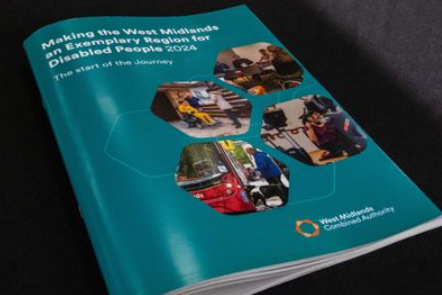
Making the West Midlands an Exemplary Region for Disabled People
Inclusive growth is an imperative framework for fostering economic and social development that benefits everyone, regardless of their background or abilities. One of the most significant strides toward this goal in the West Midlands is the initiative to make the region exemplary for disabled people. This endeavour is not only a matter of social justice but also a significant economic opportunity for the region.
The development of the "Making the West Midlands an Exemplary Region for Disabled People" report was a meticulous process. It began with the collation of comprehensive data to understand the current landscape and identify key areas of improvement. The voices of disabled people were paramount in this process, ensuring that their experiences, needs, and aspirations were at the forefront. Through numerous consultations and feedback sessions, invaluable insights were gathered to shape the direction of the report.
A pivotal element in the development of the report was the establishment of the Disability Working Group. This group, composed of disabled individuals, disability organisations, representatives from various sectors and Local Authority senior leaders, played a crucial role in guiding the report's content and recommendations. Their expertise and lived experiences provided a rich source of knowledge that ensured the report was grounded in reality and truly reflective of the needs of disabled people.
Seeking buy-in across directorates and Local Authorities was another critical aspect of the journey. Engaging various stakeholders to build a coalition of support and ensure that the report's recommendations could be implemented effectively was essential. This collaborative approach not only strengthened the report but also fostered a sense of shared responsibility and commitment to making the West Midlands an exemplary region for disabled people.
One of the key elements of this initiative is coproduction, which demonstrates a willingness to think differently and embrace discomfort for the sake of progress. Coproduction involves collaborating with disabled individuals to shape policies, improve services, and address systemic failures. This approach ensures that the voices and experiences of disabled people are not just heard but actively involved in decision-making processes. By doing so, root causes of inequality are addressed, creating a region where everyone, regardless of their abilities, can thrive.
The economic benefit of this work is also crucial to the success of the region. According to the Making the West Midlands an Exemplary Region for Disabled People report, the spending power of disabled people and their households in the WMCA amounts to £30.9 billion annually. However, 75% of disabled people turn their backs on businesses due to poor accessibility and customer service. By improving accessibility and inclusivity, significant economic potential can be tapped into, boosting the region's prosperity.
Furthermore, inclusive growth initiatives like the exemplary region are essential to achieving the mayoral priorities of growth, jobs, journeys, and homes for everyone. Ensuring that disabled people are included in this vision creates a more equitable and inclusive society that benefits everyone. The mayor's priorities can only be realised through a collective effort that embraces the "for everyone" element, ensuring that no one is left behind.
In conclusion, making the West Midlands an exemplary region for disabled people is a deeply important cause. Advocacy and systemic change are at the heart of creating a region that sets the standard for equity, inclusion, and empowerment for disabled individuals. Let us champion this cause and work towards a future where the West Midlands truly exemplifies what it means to support and uplift disabled people, ensuring inclusive growth for all.